

Photographing Pascal Roger: A Trampoline to Happiness
Updated: Oct 1

There are people you photograph who seem to know exactly how they want to be seen.
And then there are people who make you curious about who they are before you even pick up the camera.
Pascal Roger is one of those people.
I went to 21M Salon to photograph Pascal, the owner and master stylist, and somewhere between setting up and talking with him, I realized that his creative process felt surprisingly familiar.
Actually, I had experienced it once before.
The first time I went to Pascal for a haircut, I didn't have a particular idea of what I wanted. I was open. Instead of simply asking me what I wanted and getting to work, he asked me about how I live. What I do. What my style is. He listened, looked at my face, and started thinking about what might work for me.
I loved it.
There was something wonderful about trusting someone else's eye and expertise. Pascal wasn't trying to make me into someone else. He was looking at me, taking in what I was telling him, and imagining what might suit me.
I felt seen. And taken care of.
That experience stayed with me because it is so close to how I approach making a portrait.
People don't always arrive knowing exactly what they want. Sometimes they have a very clear idea. Sometimes they're open. Either way, I want to understand the person before I start making choices. What do they want the photograph to say about them? What should it feel like? What will make them feel like themselves?
Then I start looking at the light, the background, the clothes, the setting, the expression. All the pieces that can help bring that person forward.
So when I encountered another artist who works from that kind of attention, it felt amazing.
Pascal has been doing hair since 1976. He came to Philadelphia from France in 1992 and eventually opened three salons here. The current 21M Salon is on South 21st Street, where he has created a salon built around the idea that the people working there should each have their own point of view.
“We are all individual,” he told me.
That philosophy runs through the way Pascal works. He isn't interested in making everyone look the same, and he doesn't want the people who work with him simply reproducing his style. He wants them to bring their own experience, ideas and artistry to the chair.
He was supposed to become a lawyer.
But hair was already part of his life. His grandfather taught him about hair when he was young, passing along some of the knowledge and techniques that would eventually become his craft.
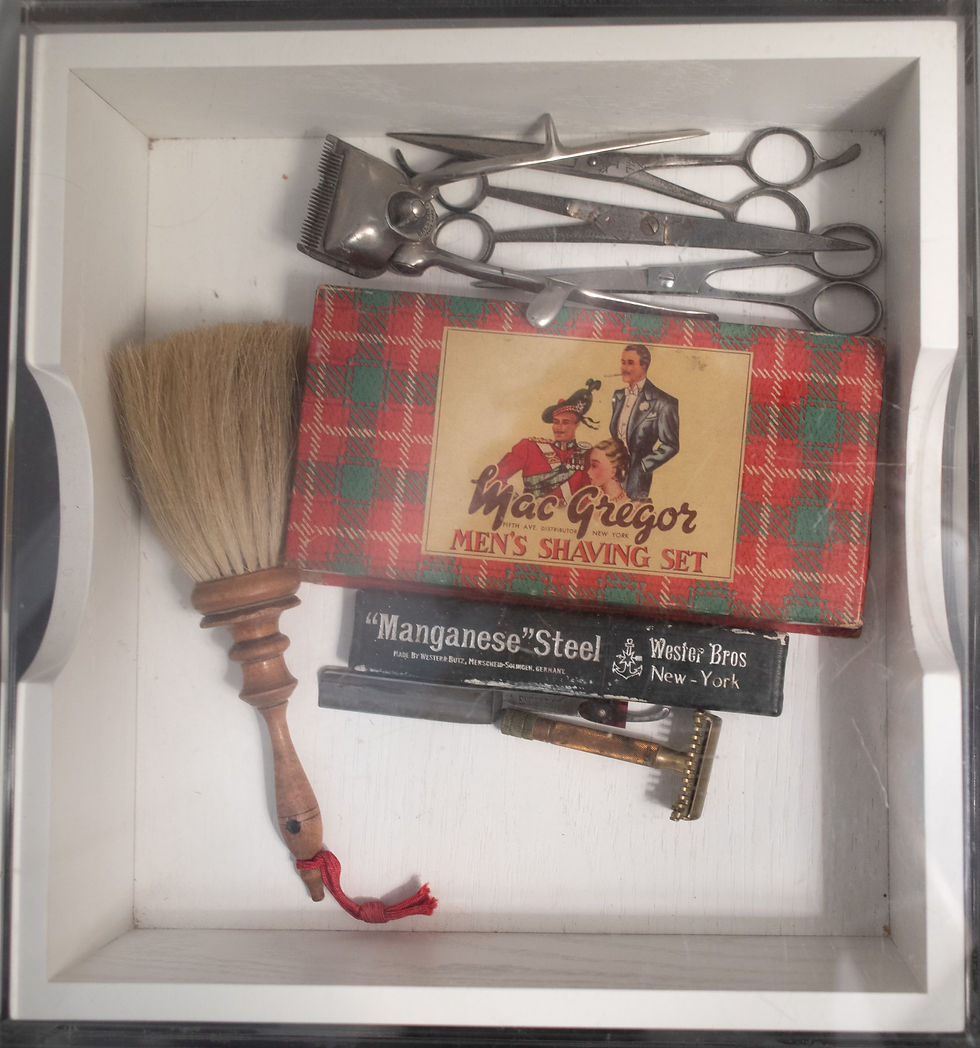
I got to see a little piece of that history when Pascal showed me his old clippers. They were a tangible reminder that what he does now has roots that go much further back than the salon around us.
Then, at 15, while his parents thought he was headed toward law school, Pascal was secretly doing his sister's hair.
At 15, while his parents thought he was headed toward law school, Pascal was secretly doing his sister's hair.
His mother used to take his sister to a salon, and Pascal would sit and watch. His sister had very curly hair, and when she was done, he said she always looked like an old lady when she came out. So eventually he started doing her blowout himself.
He got good at it.
Good enough that his sister stopped wanting to go to the salon.
“She wanted me to do her hair.”
His parents were not exactly delighted when they discovered what was going on. His father had been paying for his education with the expectation that Pascal would become a lawyer.
“He thought he was financing a lawyer, but not a hairdresser.”
It took his father about five years to speak to him again. Pascal, however, knew he had made the right choice.
“I never wanted to be a lawyer.”
For him, hair was never just a trade.
“It’s just art.”
After graduating from hairdressing school in 1978, Pascal worked in top salons in Paris, completed his mandatory military service, and then returned to work in a prestigious salon alongside top designers. He eventually helped build a franchise called VOG and opened three salons in France.
His work also took him to the Bahamas and the United States, where he wanted to learn more about different approaches to hair, including American and African American hair.
And then there was his wife. Pascal met her in Belgium. She was American and wanted to return to the United States, so when the opportunity came, they made the move together.
They arrived in 1992.
Before moving to the United States, Pascal had traveled to different cities doing hair demonstrations. He had visited New York and Washington, but Philadelphia felt different.
“I like the city because it was different than New York and Washington. You can walk in the city. It’s easy to be in a community.”
To Pascal, Philadelphia felt more European.
He wanted to live somewhere people knew one another, somewhere there was a sense of community and participation.
Eventually, he opened three salons here, including the 21st Street location where he works today.
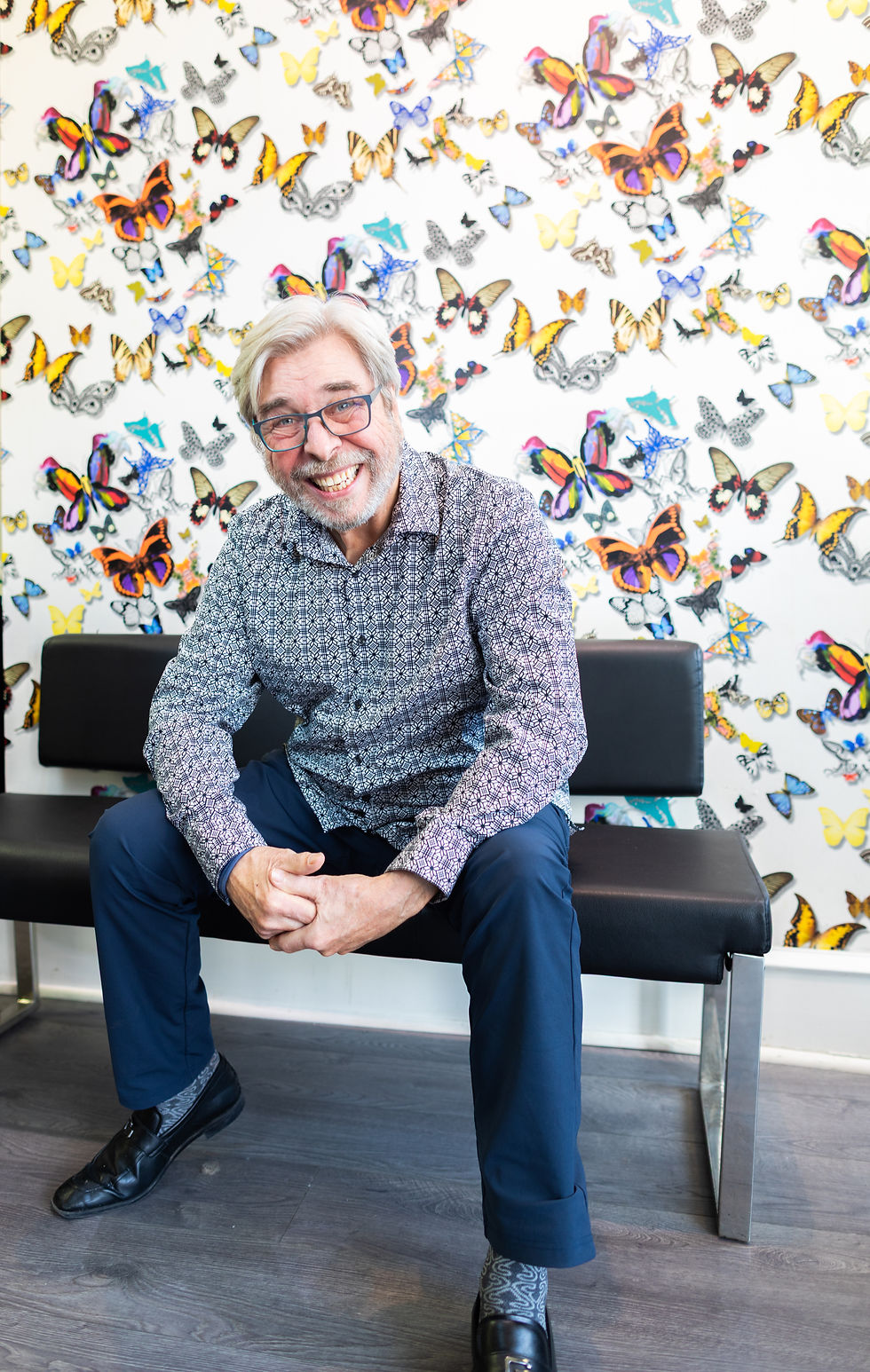
Pascal sees hair as a form of transformation.
“I want to show clients that you can come as a caterpillar and leave as a butterfly.”
His work isn't simply about cutting hair. It's about helping someone see a possibility for themselves.
And that's where the connection to photography comes back for me.
A portrait can be a kind of transformation, too. Not because I'm changing the person in front of the camera, but because the process can help them notice something about themselves that they don't always see.
Pascal understands that.
When I asked him what he thinks his role is in that transformation, he called himself:
“A trampoline to happiness.”
A little lift. A push in the right direction. Something that helps you get from where you are to where you might want to be.
That idea shows up in the way Pascal thinks about his clients. He wants them to look good not just when they walk out of the salon, but when they're on their own.
“I want you to look good when you leave me. I want you to look good when you’re not with me all the time.”
He'll recommend products. He'll show you what to do. He'll suggest rollers.
“Otherwise, I didn’t do my job well.”
There is something deeply satisfying about an artist who cares about what happens after the work leaves their hands.
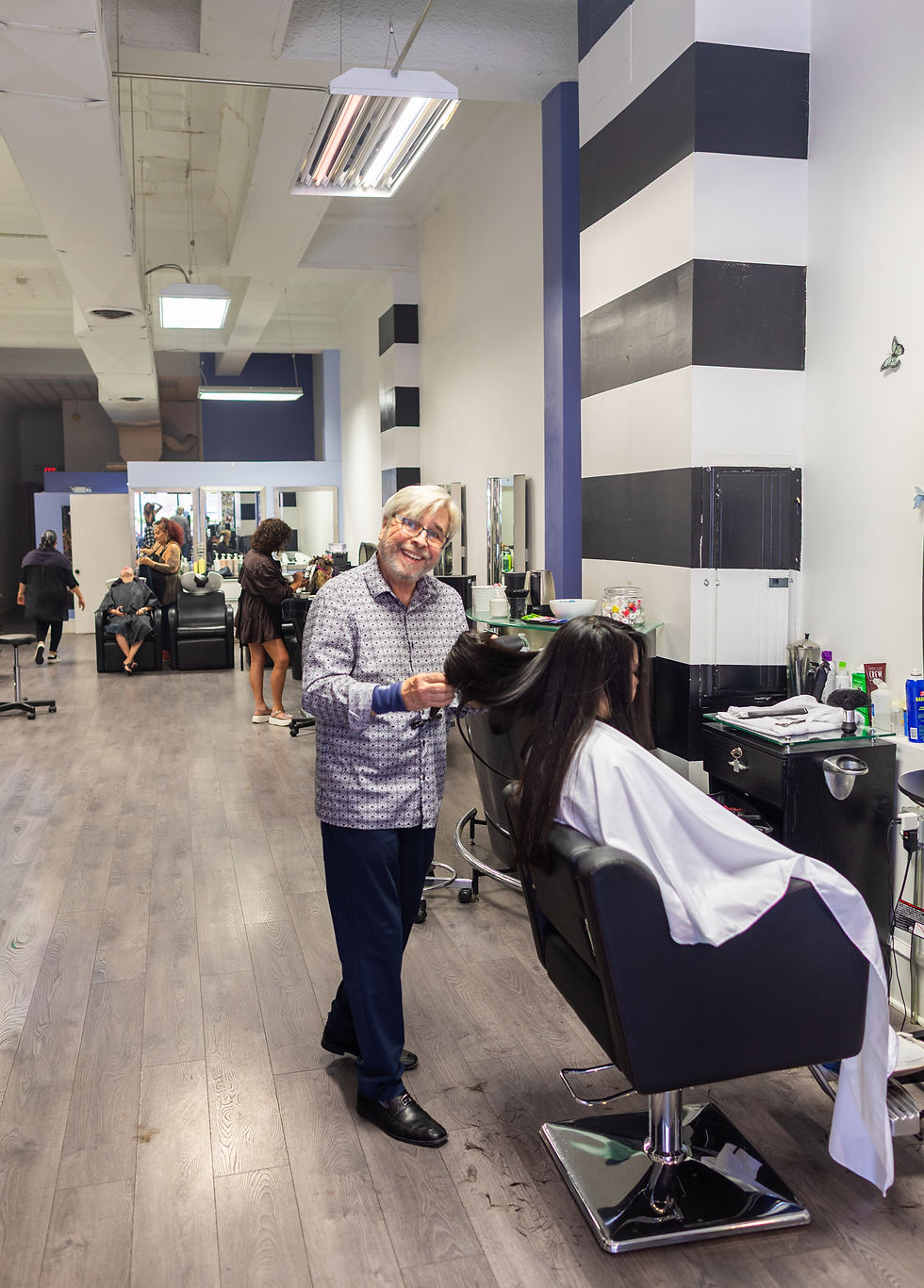
And that same generosity extends to the people who work alongside him. When I asked what he was proudest of, he didn't tell me about the awards he's won or the television appearances he's done.
He talked about his mentees.
“My proudest moment is when I have mentees that work with me, teaching them and helping them to grow.”
“I want people to be better than me.”
He isn't interested in keeping his knowledge to himself.
“I help everyone and I share with everyone my knowledge.”
After more than 50 years in the business, Pascal isn't particularly interested in chasing money or building a legacy for its own sake.
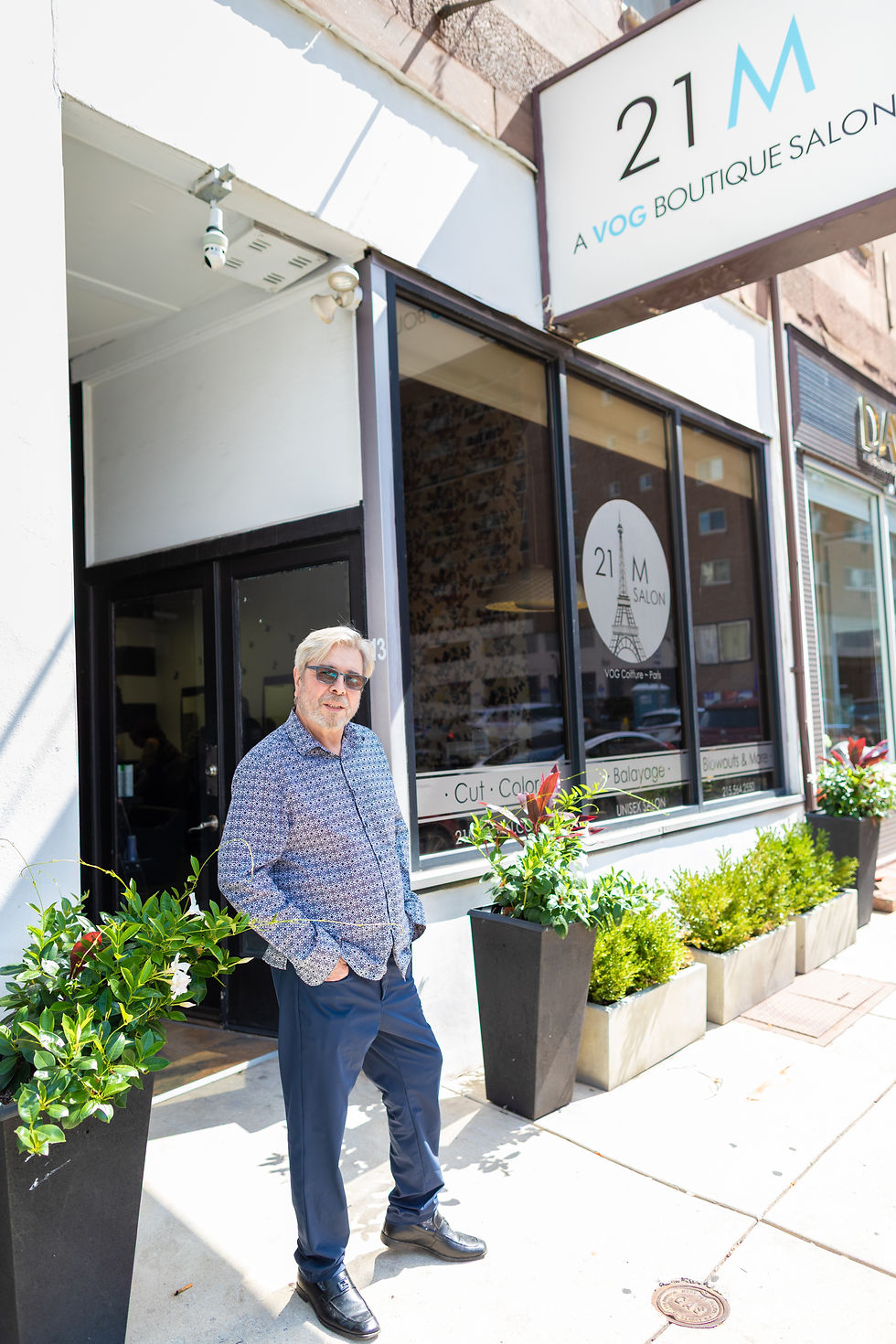
“I'm more an artist than a businessman.”
He says he doesn't really know how he has survived this long because money has never been the most important thing to him.
“I like what I'm doing.”
After more than 30 years in Philadelphia, Pascal is beginning to think about what comes next. Maybe a few more years. Maybe three. He isn't sure.
But he knows what he wants those years to mean.
“I want to make sure that I have an impact when I leave the city.”
Maybe that's the thing I was really photographing.
An artist who has spent his life paying attention to people.
Someone who has made a career out of looking closely, trusting his eye, and helping people see themselves a little differently.
It is pretty wonderful when you encounter another artist who works that way.
You recognize something of yourself in them.
And sometimes, you get a really good haircut out of it, too.
You can find Pascal at 21M Salon at 13 South 21st Street in Philadelphia.


Comments